


4.9 / 5
How satisfied were you with the behaviour and cooperation of the staff?

Mangattidam Grama Panchayat is a body of elected representatives responsible for carrying out the administrative functions of the Panchayati Raj institutions. At the Gram Panchayat level, it is the primary governing body responsible for implementing the decisions of the Gram Sabha and managing the day-to-day administration of the Panchayat.The main components of the Panchayat are:President: The head of the Panchayat. The President presides over meetings and oversees the overall functioning of the Panchayat.Vice President: Performs the duties of the President in the President’s absence.Ward Members: Elected representatives from each ward of the Panchayat.Standing Committees: Committees formed to facilitate the decision-making process of the Panchayat in areas such as finance,...

President

Vice President & Chairman Standing Committee for finance

Chairman, Standing Committee for development

Chairman,Standing Committee for Welfare

Chairman,Standing Committee for Health and Education
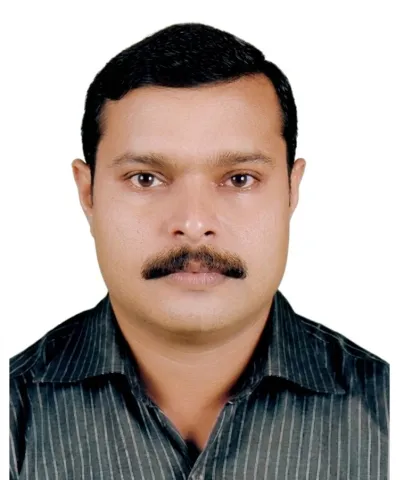
Secretary(In Charge), Grama Panchayat

Location: Mangattidam, Thalassery Taluk, Kannur District, KeralaNumber of Wards: 21Legislative Assembly Constituency: MattannurLok Sabha Constituency: KannurVillages: Mangattidam, KandamkunnuTotal Population (2011 Census): 34,652Area: 33.31 sq. km

Download Now


Mangattidam is a historically significant village that was once part of the old Kottayam Kingdom in the Malabar region. The area has a close connection with the history of the struggles of Pazhassi Raja. Stories and folk songs about figures such as Kaitheri Makkom, Edacheri Kunkan, and Kaitheri Ambu were widely popular in the region. Place names such as Uruvachal are associated with historical memories of the punishment practices of earlier times. In 1930, Mangattidam was established as an independent village. The social structure of the village consisted of landlords, farmers, and traditional artisans. Folk art forms such as Theyyam were an integral part of the lives of the people. Although the caste system and untouchability were deeply rooted in society, significant social changes took place in later...
Read More


